
Hollywood Movies
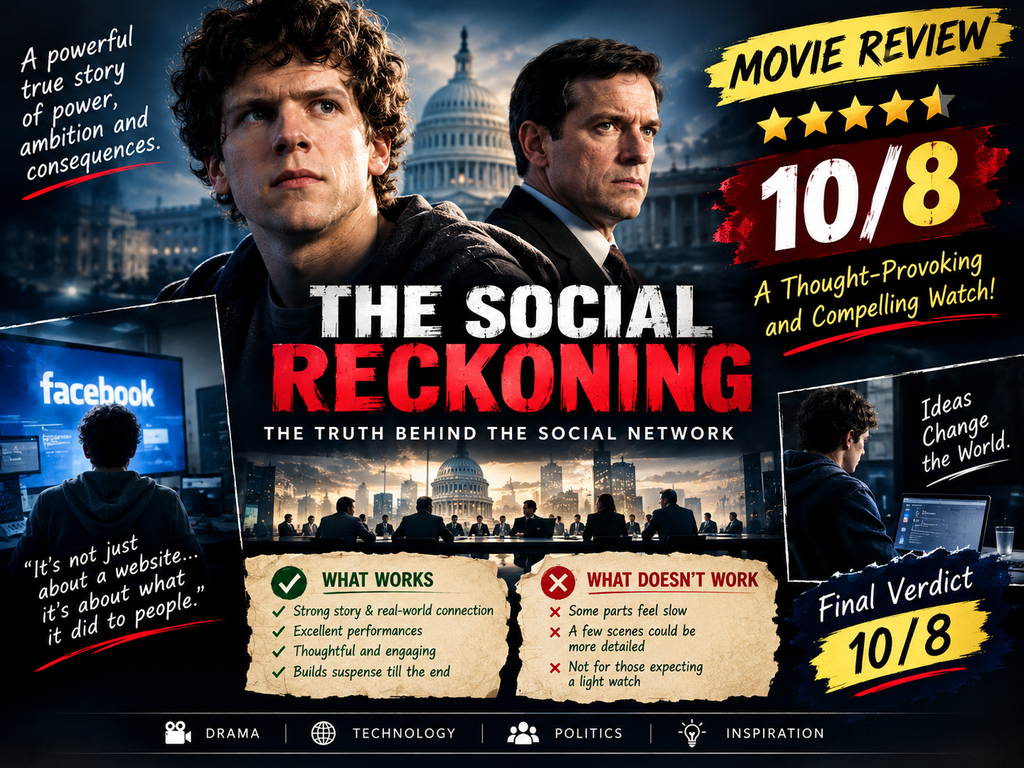
The Social Reckoning: 8/10 Amazing Social Media Thriller

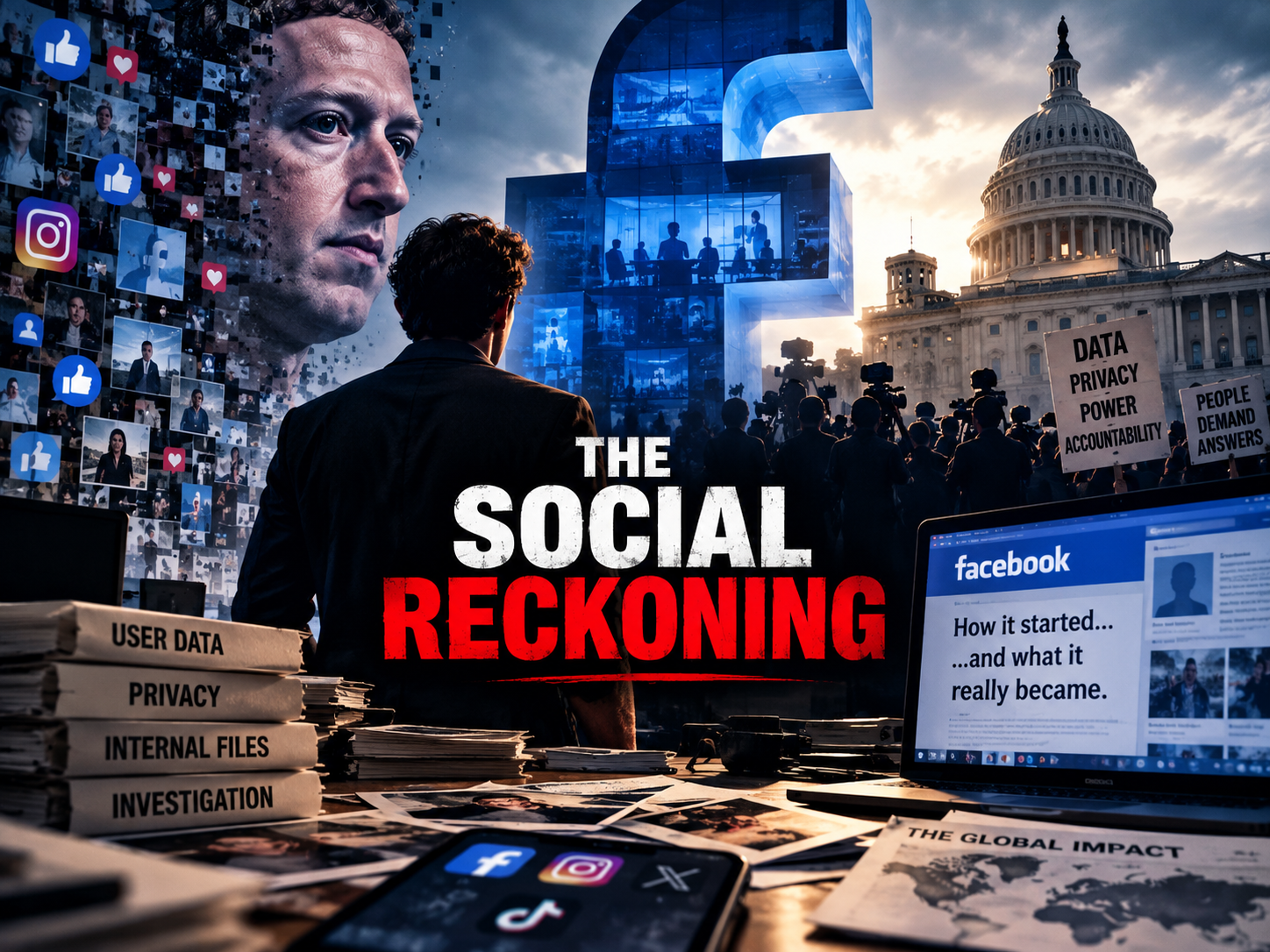
The Social Reckoning takes the Facebook story into a new chapter. Instead of focusing on how the company was created, the 2026 film examines what happened after Facebook became a major force in everyday life. The story follows whistleblower Frances Haugen and Wall Street Journal reporter Jeff Horwitz as they work to expose information from inside the company. The film also brings Aaron Sorkin back to the world of The Social Network, this time as both writer and director.
The Social Reckoning and Its Connection to The Social Network
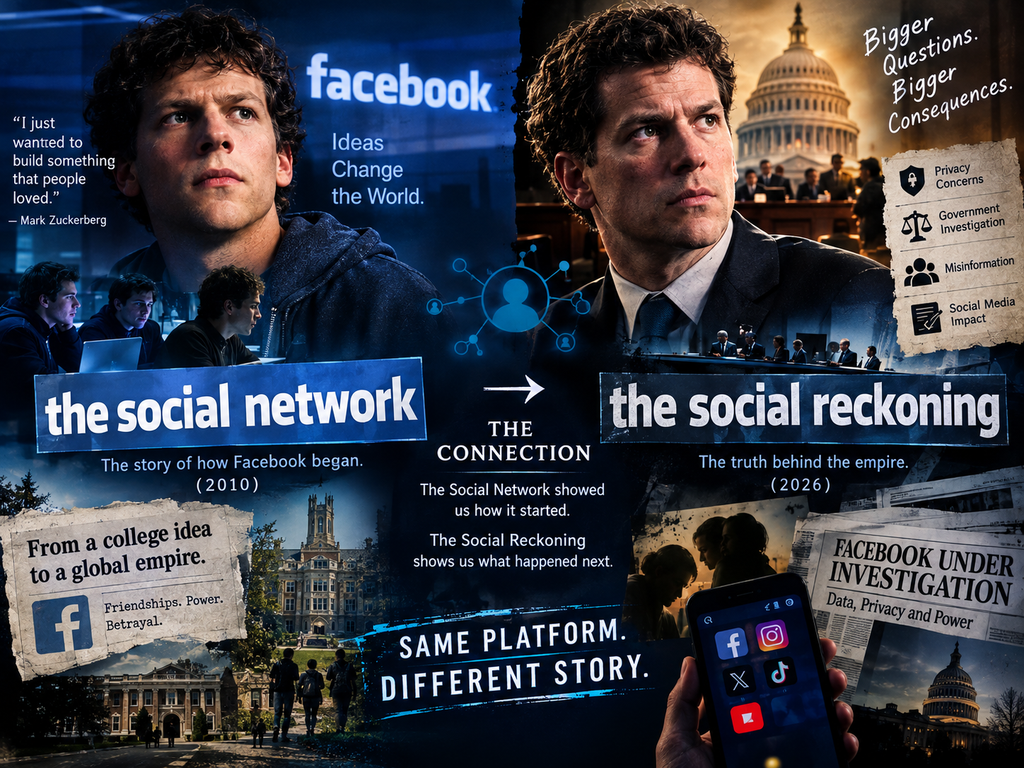
The Social Network, released in 2010, focused on the early creation and rise of Facebook. Directed by David Fincher and written by Aaron Sorkin, the film explored Mark Zuckerberg’s relationships, business conflicts, and legal problems as Facebook grew into a major technology company.
The movie became a major success and won three Academy Awards. Its sharp dialogue, fast pacing, and strong performances helped make it one of the best-known films about Silicon Valley.
The Social Reckoning moves the timeline forward by roughly 16 years. The focus is no longer on Facebook’s creation. Instead, the story examines the company’s wider effects and the controversies that developed as the platform became more powerful.
The new film is described as a companion piece rather than simply a conventional sequel. That makes the connection between the two movies important. One explores the birth of Facebook, while the other looks at the consequences of its growth.
The creative team has also changed. David Fincher is not returning, and Jesse Eisenberg is not playing Zuckerberg again. Sorkin remains the main creative link between the two projects.
The Story Behind The Social Reckoning
The story centers on Frances Haugen, a young Facebook engineer who becomes involved in exposing information about the company. She works with Jeff Horwitz, a Wall Street Journal reporter, to investigate and publish information that could have a major public impact.
The film draws from the real-world Facebook Files investigation published by the Wall Street Journal in 2021. That reporting examined internal company information and raised questions about Facebook’s products, including their possible effects on mental health and political division.
The central conflict therefore involves more than one person or one company. It connects technology, journalism, corporate responsibility, and the public’s right to understand how a major social platform operates.
Frances Haugen and the Facebook Files
Mikey Madison plays Frances Haugen, the whistleblower at the center of the story. Haugen had worked inside Facebook before becoming publicly known for providing internal information.
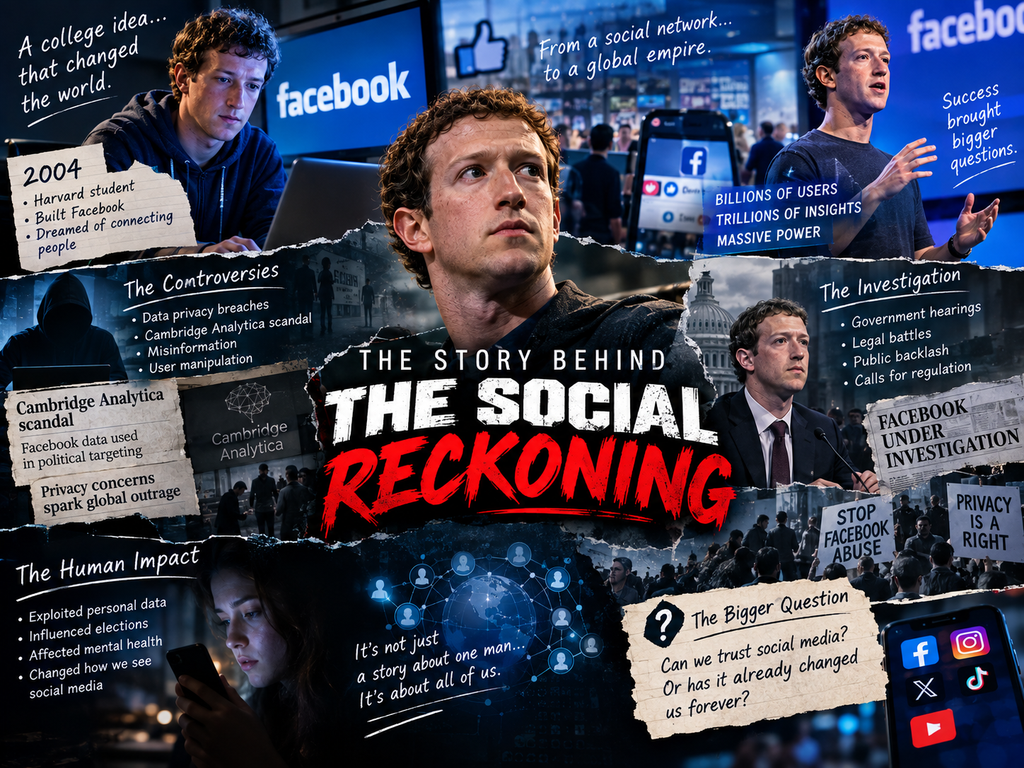
Her position gives the film an important perspective because she is connected to the company from the inside. The information she provides becomes part of a wider investigation into Facebook’s practices and their possible effects on society.
The Facebook Files gave journalists and the public a closer look at internal concerns surrounding the platform. The Social Reckoning uses this real investigation as the foundation for its dramatic story.
Jeff Horwitz and the Wall Street Journal Investigation
Jeremy Allen White plays Jeff Horwitz, the journalist who works with Haugen.
His role gives the film a second perspective. Haugen provides knowledge from inside Facebook, while Horwitz represents the journalistic process of examining information, checking claims, and reporting a story to the public.
This combination makes the movie more than a corporate drama. The investigation becomes a major part of the narrative, with the characters facing questions about what should be reported and how information about a powerful company should be handled.
The Main Cast and Characters
The film features a new group of actors while keeping Mark Zuckerberg as an important character in the larger Facebook story.
The main cast includes Mikey Madison as Frances Haugen, Jeremy Allen White as Jeff Horwitz, and Jeremy Strong as Mark Zuckerberg. Supporting actors include Wunmi Mosaku, Betty Gilpin, Billy Magnussen, and Bill Burr.
The casting gives The Social Reckoning a different identity from The Social Network. The performances are not designed simply to recreate the original film. They represent a later period in the Facebook story.
Jeremy Strong as Mark Zuckerberg
Jeremy Strong plays an older Mark Zuckerberg, replacing Jesse Eisenberg from the 2010 film.
Eisenberg was approached about returning but decided against it. He explained that he was moving in different directions in his life and did not want to remain associated with the character. He also clarified that the decision was not based on his opinion of the new movie’s quality.
Strong therefore has the opportunity to create a completely different version of Zuckerberg. The character is older, the company is much larger, and the surrounding circumstances are very different from those shown in the original film.
That change should make comparisons between the two performances especially interesting for viewers who have watched The Social Network.

Mikey Madison as Frances Haugen
Mikey Madison plays Frances Haugen, whose decision to reveal information about Facebook drives much of the story.
The character is placed at the center of the conflict between an employee’s knowledge of a company and the public interest. Her relationship with Horwitz also gives the movie a strong investigative journalism element.
Because Haugen is based on a real person, Madison’s performance will be important in making the character feel believable rather than simply serving as a fictional hero.
Jeremy Allen White as Jeff Horwitz
Jeremy Allen White plays Wall Street Journal reporter Jeff Horwitz.
Horwitz’s character helps connect Haugen’s information with the wider investigation. His role also gives the film opportunities to explore journalism, research, reporting, and the pressure involved in publishing sensitive information about a major technology company.
The partnership between Haugen and Horwitz forms the core of the film’s investigative storyline.
Aaron Sorkin’s Return to the Facebook Story
Aaron Sorkin is the strongest connection between The Social Network and The Social Reckoning. He wrote the screenplay for the original film and returns for the new project as both writer and director.
Sorkin’s previous work includes Steve Jobs, Moneyball, Molly’s Game, The Trial of the Chicago 7, and A Few Good Men. His films often focus on real people, major events, arguments, professional pressure, and fast-moving conversations.
Those qualities fit the subject of The Social Reckoning. A story involving a whistleblower, a journalist, and a powerful technology company naturally creates opportunities for tense discussions and opposing viewpoints.
The change in directing duties is also significant. Sorkin wrote The Social Network, but David Fincher directed it. For The Social Reckoning, Sorkin controls both the screenplay and direction.

What the Trailer Reveals About the Film
The trailer presents The Social Reckoning as an intense investigative drama about Facebook and the people attempting to expose information about the company.
It shows that the new film is connected to the earlier Facebook story while clearly moving into a different period. Zuckerberg is older, Facebook has become much more influential, and the central conflict concerns the company’s wider effects rather than its creation.
The trailer also includes a short return of music from The Social Network by Trent Reznor and Atticus Ross. Their involvement in the complete soundtrack had not been confirmed in the material covered by the articles.
The trailer has received mixed reactions. Some viewers have questioned parts of the dialogue and presentation, while others are interested in Jeremy Strong’s interpretation of Zuckerberg and Sorkin’s return to the subject.
A trailer alone cannot determine the quality of the finished film. The complete movie will need to be judged through its story, performances, pacing, direction, and treatment of the real events.
The Real-World Controversies Behind the Story
The story has a strong real-world foundation because Facebook changed dramatically between 2010 and 2021.
The original film dealt with Facebook’s early growth. By the time of the Facebook Files, the platform had become deeply connected to people’s daily communication and public debate.
The 2021 investigation raised concerns about issues including mental health and political division. These subjects give the new movie a much broader scope than the original.
The film also arrives during a period when technology companies have become increasingly connected to the entertainment industry. Companies such as Amazon, Apple, Sony, and Netflix now play major roles in entertainment, while technology companies and wealthy technology figures have greater influence over media and film.
That creates an interesting background for a movie criticizing the power of technology. Hollywood is making stories about Silicon Valley while technology companies are becoming increasingly involved in Hollywood itself.
How The Social Reckoning Differs From The Social Network
The biggest difference is the story being told.
The Social Network examines Facebook’s early development, Zuckerberg’s relationships, and the conflicts surrounding the company’s creation. Its story is centered on the people who built the platform.
The Social Reckoning examines what happened after that success. It focuses on Frances Haugen, Jeff Horwitz, internal information, journalism, and Facebook’s wider effects on society.
The creative teams are different as well. Fincher directed the first movie, while Sorkin directed the second. Eisenberg’s Zuckerberg has been replaced by Strong, and the original supporting cast does not return.
The tone also appears different. The Social Reckoning has the structure of an investigative and political drama, with the story built around journalism and whistleblowing. Its approach may be closer to films such as All the President’s Men or The Post than to the darker and more character-focused style of The Social Network.
For viewers who enjoyed the original film, the new movie offers a chance to see a completely different stage of the Facebook story.
The Film’s Potential Impact and Reception
The Social Reckoning has already generated discussion before its scheduled release. Reactions to the trailer have been mixed, with some criticism of its dialogue and presentation and considerable interest in the new cast.
The movie also faces a natural challenge because The Social Network has become highly respected. Comparing a new film with a three-time Oscar-winning predecessor creates high expectations.
Still, the new story has its own reason to exist. Facebook’s influence expanded significantly after 2010, and the controversies surrounding the company created events that were not part of the original film.
For regular movie viewers, the key question is simple: can The Social Reckoning tell this complicated real-world story in a clear and engaging way?
The film is scheduled to arrive in cinemas on October 9, 2026. Until then, its trailer, cast, real-world foundation, and connection to The Social Network make it one of the more notable technology-focused dramas coming in 2026.


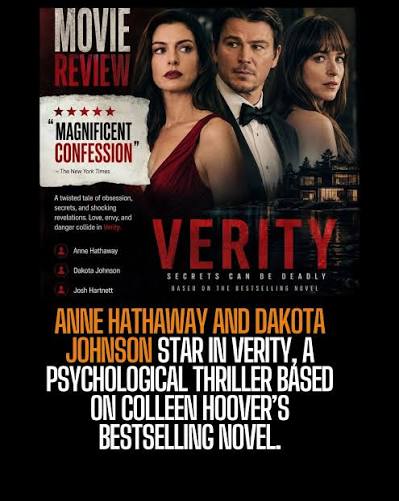
Verity (2026) Review: I recently watched Verity after seeing its trailer, and it immediately caught my attention. The couple, the unusual situations, and the darker tone made me curious about what the full movie would be like. After watching it, I enjoyed it much more than I expected. I found the story interesting, the performances strong, and Anne Hathaway especially excellent. After looking at the wider critical and audience response as well, I understand why the movie has divided viewers. My personal rating is 9/10.
What Is Verity About?
Verity is a psychological thriller based on Colleen Hoover’s bestselling novel. The movie follows Lowen Ashleigh, a struggling writer who gets the chance to work on the books of successful author Verity Crawford.
Lowen enters Verity’s home and becomes involved with her family. As she learns more about Verity and the secrets surrounding her life, the story becomes darker and more complicated.
The basic idea works well for a thriller because the audience is constantly encouraged to question what is real. Who can be trusted? What really happened? And how much does Lowen actually know?
That mystery kept me interested because the story does not simply focus on one problem. It builds questions around the characters and their relationships.
Anne Hathaway’s Performance as Verity
For me, Anne Hathaway was one of the biggest reasons the movie worked so well. I would describe her performance as excellent.
She brings a strong presence to Verity and gives the character a strange and unpredictable personality. The role requires someone who can make the audience feel uncomfortable while still keeping the character interesting, and Hathaway does that very well.
I also liked how she handled the darker and more dramatic parts of the character. Even when the story becomes exaggerated, her performance gives those moments energy.
After watching the movie, I can understand why so many reviews highlighted Hathaway as one of its strongest elements. In my opinion, she gives the film much of its personality.

Dakota Johnson and Josh Hartnett’s Performances
Dakota Johnson plays Lowen Ashleigh, the writer who becomes involved with the Crawford family. Her performance has received more mixed reactions from critics.
Some reviewers felt that Lowen could be emotionally flat, but I still think the character works because the story puts her in a situation where she has to keep discovering new information.
Josh Hartnett also plays an important role in the story. His performance has received some criticism, with some viewers feeling that he does not completely fit the role.
For me, the cast works best when the story focuses on the mystery and relationships. Anne Hathaway remains the standout, but the other characters are important because the tension depends on how they interact with one another.
The Story, Twists, and Plot Logic
The story is probably the biggest reason I wanted to watch Verity after seeing the trailer.
The trailer gave me the impression that this would be a movie full of secrets and unusual situations, and that is exactly the type of story I wanted to explore. The movie has a strong central mystery and keeps adding new information about the characters.
Not every part of the plot will work for every viewer. Some critics felt that certain events were unrealistic or predictable. I can understand that criticism, especially if you expect the movie to behave like a serious, realistic psychological drama.
I watched it differently. I was mainly interested in seeing where the story would go and how the characters would respond to the secrets around them. That made the movie more enjoyable for me.

Pacing and Thriller Elements
The pacing has been one of the main criticisms from professional reviewers. Some felt that the movie takes too long to build its tension.
My experience was more positive. I stayed interested because I wanted to understand the characters and find out what would happen next.
The movie is not a traditional horror film. Its tension comes more from relationships, secrets, attraction, manipulation, and uncertainty.
That makes it a good match for viewers who enjoy psychological stories rather than constant action or jump scares.
What Critics Liked About Verity
The biggest positive from the reviews is Anne Hathaway’s performance. Several critics considered her the saving grace of the movie.
Some reviewers and viewers also enjoyed the movie’s pulpy and dramatic style. The story is messy at times, but that can also be part of its entertainment value.
The premise is another strong point. A writer entering the world of a successful author and discovering disturbing secrets gives the film an easy hook.
The commercial opening was also strong. Verity opened at No. 1 at the North American box office with around $32.7 million during its opening weekend.
That tells me the movie had enough interest around its cast, source material, and premise to attract a large audience.
What Critics Disliked About Verity
The biggest complaints are about pacing, character depth, and the logic of some story events.
IGN gave the movie 3/10 and criticized its pacing, plot, and characters. Punch Drunk Critics gave it 2/10 and also felt that the low-energy performances weakened the movie.
Other critics felt that the film was not thrilling or erotic enough for the type of story it was trying to tell.
I understand those criticisms, but I did not have the same overall reaction. I enjoyed the movie because I connected more with its dramatic and mysterious side.
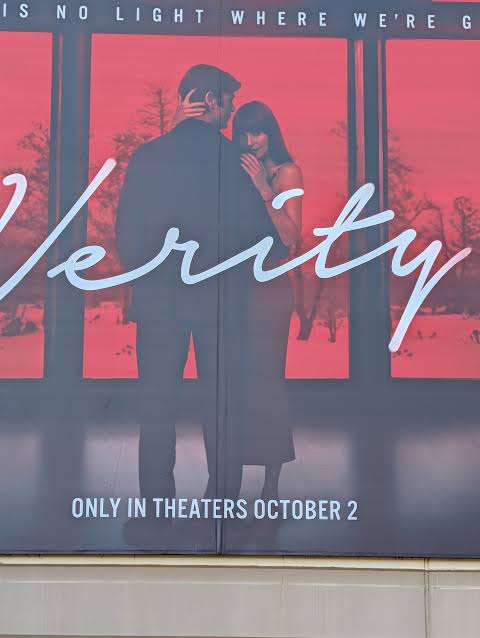
A movie can have weaknesses and still be entertaining. For me, Verity falls into that category.
Is Verity Actually Scary, Sexy, or Thrilling?
I would describe Verity mainly as a psychological thriller with dark and romantic elements.
It is not a traditional horror movie. The fear comes from the characters and the secrets surrounding them rather than monsters or supernatural events.
The romantic and intimate elements are also important to the story. The movie clearly targets viewers who enjoy relationships mixed with mystery and danger.
I think this style also explains why I believe today’s generation can connect with the movie. Audiences are often interested in stories that combine romance, mystery, dramatic relationships, and shocking situations.
If you enjoy that combination, Verity has plenty to offer.

Audience Reactions vs. Critics’ Reviews
One of the most interesting things about Verity is the difference between critics and audiences.
Rotten Tomatoes currently shows the movie with a critics score around 33%, while the audience score is around 71%. That is a significant difference.
I personally understand the audience side more. I watched the movie recently and came away feeling that it was very good. I gave it 9/10.
I also think the movie fits the interests of today’s younger audience because of its mix of relationships, mystery, drama, and darker themes. It has the kind of story that can create discussion after watching.
That does not mean every viewer will agree with my rating. Some people may focus more on the plot problems and slow pacing. Others may simply enjoy the dramatic and unpredictable nature of the story.
For me, the entertainment value was strong enough to outweigh those weaknesses.
How Verity Compares With Colleen Hoover’s Novel
Verity is based on Colleen Hoover’s bestselling novel, so fans of the book naturally have their own expectations.
The movie keeps the main idea of Lowen becoming involved with Verity Crawford and discovering disturbing secrets. That central concept remains the foundation of the film.
I have not based my opinion on a book-to-movie comparison. My rating comes from my experience watching the film itself.
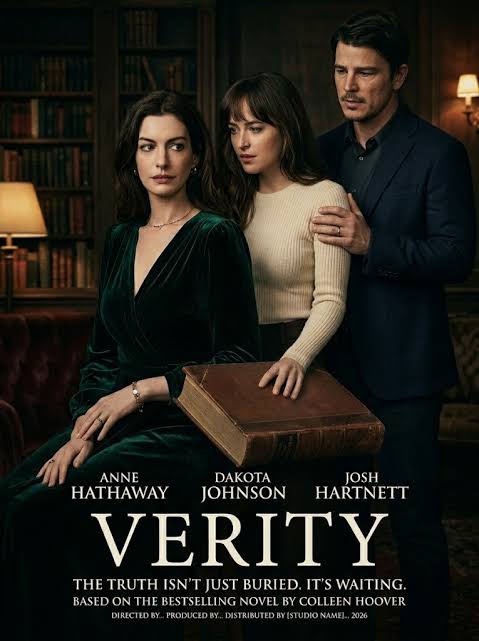
That is important because a movie should still work for viewers who have never read the original novel. For me, the story was interesting enough to stand on its own and keep me engaged.
My Final Verdict on Verity (2026)
I went into Verity because the trailer looked very interesting, especially the relationship between the couple and the unusual situations surrounding them. After watching the full movie, I can say that it delivered the kind of dramatic and mysterious experience I was looking for.
Anne Hathaway was excellent, and she was easily one of my favorite parts of the movie. The story also kept me interested because of its secrets, relationships, and darker moments.
I know the movie has received a lot of negative reviews from critics. Rotten Tomatoes has the critics’ score around 33%, while the audience score is much higher at around 71%. That difference shows that Verity is a movie where personal taste matters a lot.
I enjoyed it, and I think today’s generation can enjoy this type of movie because it combines romance, mystery, drama, and psychological tension in one story.
My final rating: 9/10.
For me, Verity is not a perfect thriller, but it is a very entertaining one. Anne Hathaway’s performance, the unusual story, and the mystery around the characters made it worth watching, and I would recommend it to viewers who enjoy dark relationship dramas and psychological thrillers.
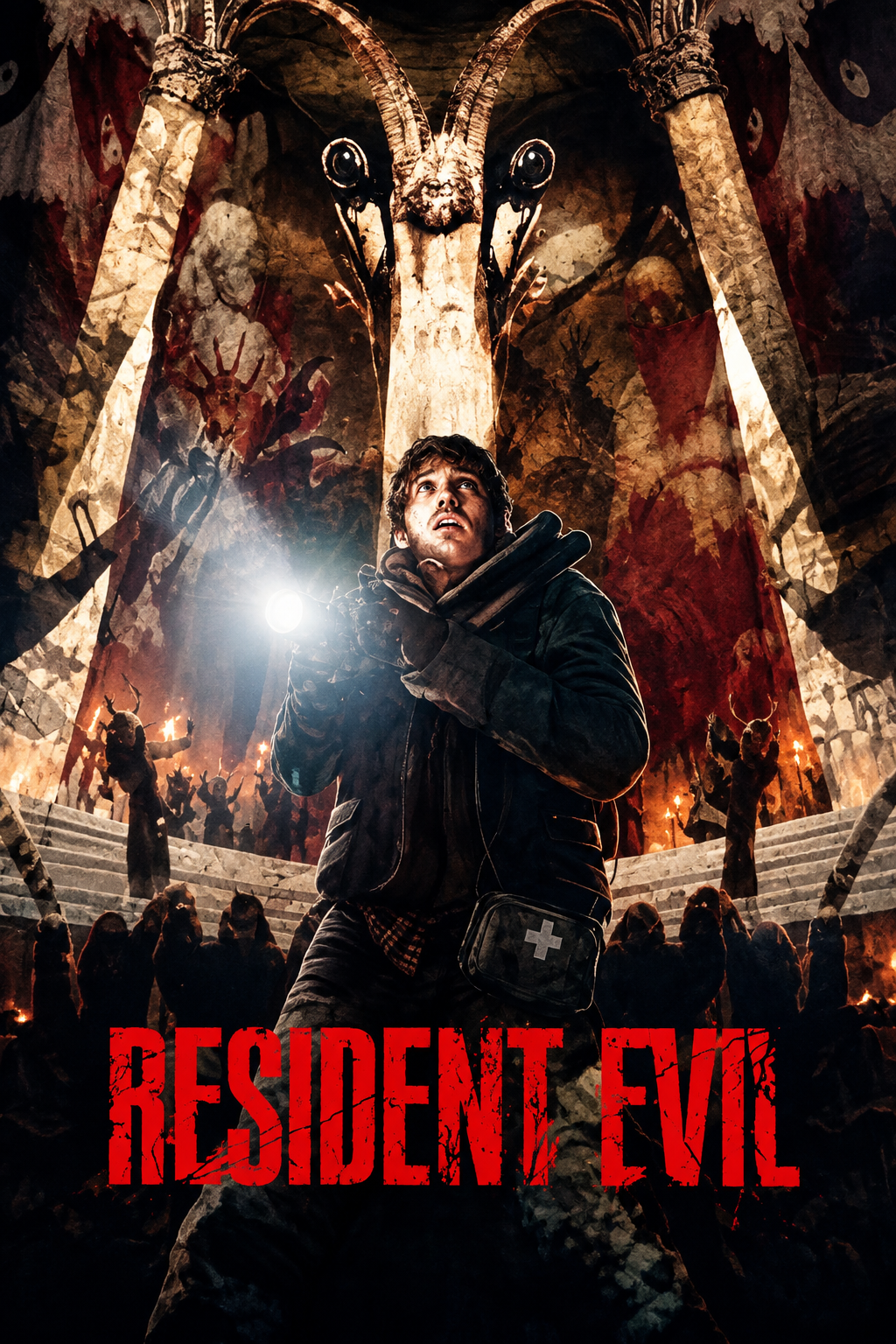
I watched Resident Evil (2026) at home to experience it firsthand before forming an opinion on its story, horror, creatures, and action. My first reaction was clear: the movie moves quickly and creates tension from the beginning. Bryan starts with what looks like a normal delivery job, but the situation soon becomes much bigger and more dangerous.
For me, Resident Evil (2026) works best as a survival-horror action movie rather than a purely scary horror film. I liked the creature encounters, the growing danger, and the way Bryan has to survive without feeling like an unstoppable superhero. In this review, I will break down the story, characters, horror, action, creatures, video-game feeling, and the areas where I think the movie could have done more.
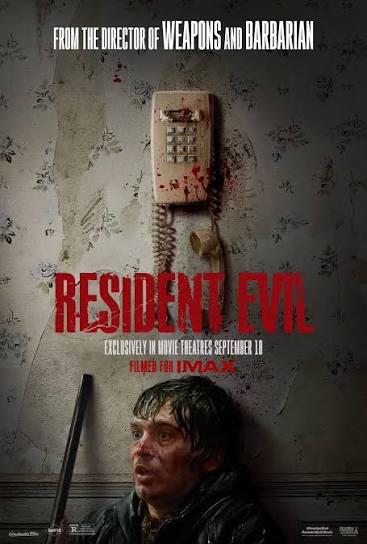
Resident Evil (2026) Overview
Resident Evil (2026) is a horror and science-fiction reboot based on Capcom’s famous Resident Evil video game franchise. The movie is directed by Zach Cregger and written by Cregger and Shay Hatten.
The story follows Bryan, played by Austin Abrams, a medical courier who is sent to deliver a package to a remote hospital. What begins as a simple job quickly turns into a fight for survival when Bryan becomes trapped during an outbreak.
That basic setup worked well for me because it gives the story a clear direction. Bryan has a normal job, but the world around him changes quickly. He is forced to react to problems that he was never prepared to face.
The film has a short runtime, listed in the information I reviewed at around 94 to 95 minutes, which helps keep the story moving. I felt that the movie used its time well and avoided spending too long on scenes that did not move the story forward.

Resident Evil (2026) Release Date and Runtime
Resident Evil (2026) was released in the United States in September 2026. The film is a relatively short theatrical horror movie, with its runtime listed at roughly 94 to 95 minutes in the information I reviewed.
I actually liked the shorter runtime.
The movie does not spend too much time away from Bryan’s survival journey. Once the situation begins to get worse, the story keeps pushing forward.
For a survival horror movie, that pace makes sense. You want to feel that the character has little time to stop and relax, and this movie generally keeps that feeling alive.
At the same time, the short runtime does create one problem. Some supporting characters do not receive as much development as I would have liked.
Resident Evil (2026) Story and Plot
The story begins with Bryan working as a medical courier. His job sounds simple, but the delivery takes him into a dangerous situation where an outbreak changes everything.
I liked this basic idea because the movie does not start with Bryan as a trained super-soldier. He feels like an ordinary person who suddenly has to deal with something far beyond his experience.
That made his survival journey easier for me to follow.
The situation gradually becomes worse, and Bryan has to deal with infected and mutated creatures while trying to survive. The movie uses this growing danger to move from a normal delivery story into a full survival situation.
The strongest part of this setup is the change in scale. Bryan starts with one simple goal, but the situation around him keeps becoming more complicated.
Some parts of the story were predictable because survival horror has certain familiar ideas. Still, I thought the movie had enough changes in the situation to keep me interested.
Resident Evil (2026) Cast and Characters
Austin Abrams plays Bryan, the main character at the center of the story. Other cast members include Paul Walter Hauser, Zach Cherry, Kali Reis, Johnno Wilson, and Will Merrick.
Bryan was the character I connected with most because he feels like an ordinary person. He is not introduced as someone who already has every skill needed to survive the outbreak.
That makes the danger feel more important.

I also think the supporting characters could have received more attention. The movie moves at such a quick pace that some emotional moments do not have enough time to grow.
For me, this is the biggest weakness of the film. I wanted a little more time with some of the supporting characters because stronger character development could have made certain moments more meaningful.
Zach Cregger’s Direction and Vision
Zach Cregger directs the movie and brings a clear focus to survival, horror, creatures, and fast-moving action.
The direction works particularly well when the movie places Bryan inside an environment that keeps becoming more dangerous. Instead of making every scene feel like a simple action sequence, the film often allows the threat itself to create tension.
I also liked the way the movie lets Bryan’s situation develop gradually. His delivery job does not immediately become a giant action mission. The danger grows as he understands that something is seriously wrong.
That progression helped me stay interested because I wanted to see how far the situation would go.
Resident Evil (2026) Horror, Action, and Sci-Fi
For me, the movie works more as survival horror mixed with action than as pure horror.
There are creatures, sudden threats, and dangerous situations that create tension, but the movie is not trying to scare the audience in every single scene. The action becomes an important part of the experience.
I enjoyed that balance.
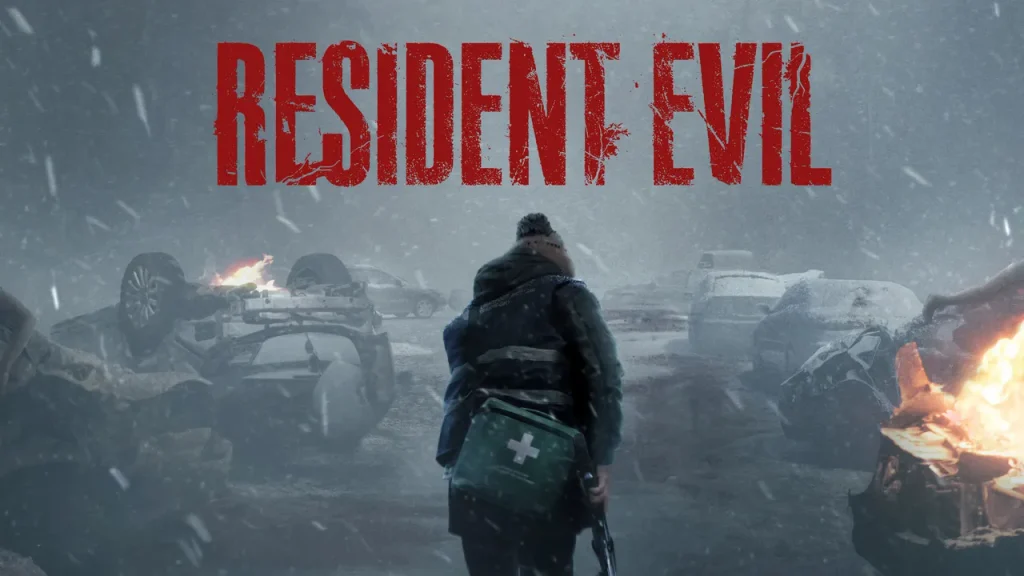
The survival elements were actually my favorite part. I liked watching Bryan try to deal with an environment that keeps becoming more dangerous.
The action then gives the movie extra energy. Instead of staying in one place and repeating the same type of scare, the story continues to move.
The science-fiction side comes through the outbreak, infected characters, and mutated creatures. Together, these elements give the movie its own version of the Resident Evil world.
How Resident Evil (2026) Connects to the Video Games
The movie is based on Capcom’s Resident Evil games, and I think the survival structure is one of the clearest ways it captures that feeling.
For me, Resident Evil (2026) works best when it feels like a survival game brought to the big screen.
Bryan is not an unstoppable hero. He has to react to what is happening around him, and that makes his journey more interesting to watch.
The creatures also help create that game-like feeling. The movie does not rely on one type of threat throughout the entire story. Different encounters make the environment feel less predictable.
I enjoyed that because survival horror becomes more interesting when you do not know exactly what is waiting around the next corner.
The reboot approach also gives the movie space to create its own story rather than simply repeating the previous live-action films.
Resident Evil (2026) Special Effects and Production
The creatures are an important part of the movie’s visual identity.
I found them strange and threatening, but I also liked that they felt different enough to make this version of Resident Evil feel like its own movie.
The creature encounters were some of the moments that stayed with me because they made the environment feel unpredictable. The movie uses different types of threats instead of depending on one creature again and again.
The special effects also support the survival-horror atmosphere. When Bryan is surrounded by dangerous creatures, the effects help make the situation feel more immediate.
The production also had a reported budget of around $80 million, giving the filmmakers room to build larger environments and creature effects.
Resident Evil (2026) Critical and Audience Reception
The movie has received attention from both audiences and critics.
The information I reviewed lists IMDb at 7.6/10, while Rotten Tomatoes is listed at 96%. Empire gives the movie 3/5.
These scores use different systems, so they should not be treated as direct equivalents. IMDb uses a user rating, Rotten Tomatoes presents a percentage score, and Empire uses a five-point review system.
The difference in reviews also shows why it is useful to read beyond a single number. Some reactions focus on the movie’s action, horror, creatures, and connection to the games, while other criticism points toward its simple story structure.
My own experience fits somewhere in the middle. I enjoyed the survival and creature elements, but I also think the supporting characters could have been developed further.
What Works in Resident Evil (2026)
The strongest part of the movie for me is its survival experience.
Bryan starts as an ordinary medical courier and suddenly has to survive an outbreak. That contrast makes his situation easy to understand.
I also liked the creatures. They help keep the environment unpredictable, and different threats stop the movie from feeling repetitive.
The pacing is another strength. At around 94 to 95 minutes, the movie gets to its main story and keeps moving. I did not feel that it was overloaded with unnecessary scenes.
The action also works because it supports the survival story. Bryan is not simply fighting because the movie needs another action scene. The danger around him gives the action a reason to exist.
Most importantly, I enjoyed the feeling that Bryan was trying to survive an environment that he could not fully control.
What Could Have Been Better
The biggest weakness for me is character development.
The movie moves quickly, which helps its pacing, but some supporting characters could have used more time.
A few emotional moments might have had a stronger effect if the film had spent more time showing us who those characters were and why their situations mattered.
I also think some parts of the story are predictable. That is not unusual for survival horror, but a few more unexpected story turns could have made the experience even stronger.
The short runtime is connected to both points. It helps the movie stay focused, but it also limits how much time the story has for deeper character moments.
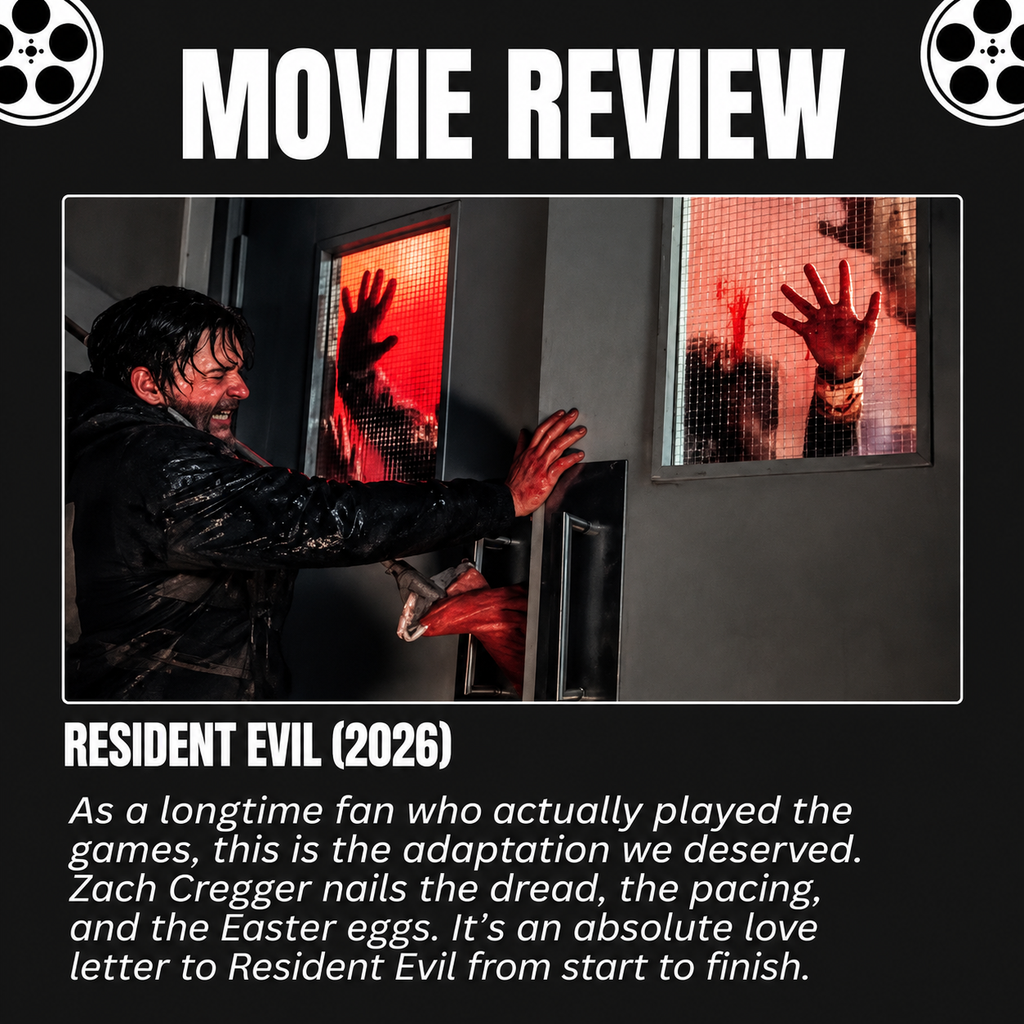
So, if I could change one thing, I would not necessarily make the movie much longer. I would use a little more of its existing time to develop the supporting characters.
Is Resident Evil (2026) Worth Watching?
For me, yes, especially if you enjoy survival horror, creatures, action, and video-game adaptations.
The movie has a simple setup, but that is also part of its strength. Bryan has a clear goal, the outbreak creates the main danger, and the story keeps moving.
I would recommend it more to viewers who enjoy survival-focused horror than to people looking for a slow, deeply psychological horror movie.
The creatures are one of the highlights for me, and the action keeps the movie energetic. The game-like survival feeling also adds something extra for viewers who enjoy that style.
You do not need to know every detail about the Resident Evil franchise to understand Bryan’s story. The reboot creates a new entry point, which makes it easier for new viewers to follow.
Final Thoughts on Resident Evil (2026)
After watching Resident Evil (2026), I think its biggest strength is how it turns a simple delivery job into a dangerous survival journey.
I liked Bryan because he feels like an ordinary person rather than an unstoppable hero. That made me more interested in seeing how he would handle each new problem.
The movie works best when it focuses on survival, creatures, tension, and action. I also liked the way different threats keep the environment unpredictable.
For me, it feels closest to the experience of watching a survival game come to life on screen. Bryan has to react to danger instead of simply controlling every situation, and that gives the movie some of its best moments.
My main criticism is that some supporting characters deserved more development. The quick pace keeps the movie entertaining, but it also means certain emotional moments could have been stronger.

Overall, Resident Evil (2026) gives the franchise a fresh direction while keeping the outbreak, creatures, survival, and action that make the series recognizable. My personal experience with the film was positive, especially when it focused on Bryan trying to survive an increasingly dark world.

Send Help (2026) ReviewSam Raimi brings his own style to the movie. I especially enjoyed the suspense, character development, camera work, and dark comedy in his direction.
The movie does not treat the island as a simple location. The environment helps create tension. The trees, beaches, rain, shadows, and wide-open areas make Linda and Bradley feel isolated.
Raimi also uses energetic camera movements, unusual angles, quick transitions, and close-ups. These choices give the movie a more active visual style than a straightforward survival drama.
The reviews I compared also praised Raimi’s ability to mix horror and comedy. That combination matters because Send Help can shift from a tense survival situation to dark humor without losing its identity.

Dark Humor, Horror, and Survival Elements
The movie combines survival, horror, comedy, mystery, and thriller elements. That mix won’t work equally well for everyone, but I found it entertaining.
I thought the comedy was mostly funny, especially the dark humor between Linda and Bradley. Their personalities create many of the humorous moments because they already have so much tension between them.
The horror elements also worked for me. They were entertaining and sometimes scary, especially when the survival situation became more intense.
The survival scenes genuinely made me nervous. Watching the characters deal with dangerous situations on the island kept the tension alive and made their relationship feel more important.
Some viewers on IMDb felt that the horror and comedy did not always go far enough, while others enjoyed the unusual mixture. That difference shows how much the movie’s tone depends on personal taste.

Cinematography, Editing, and Atmosphere
The cinematography helps make the island feel both beautiful and dangerous. Wide shots show how isolated the characters are, while closer shots make their arguments and tense moments feel more personal.
The camera work was one of the technical elements I enjoyed most. Raimi uses movement and unusual framing to give scenes more energy.
The editing also helps maintain the movie’s pace. At 113 minutes, Send Help has enough time to establish the characters, develop their conflict, and build the survival story without becoming an extremely long movie.
The production design and practical effects add to the physical feeling of the island. Danny Elfman’s music also supports the movie’s mixture of humor and danger, while the visual style carries some of Raimi’s familiar horror energy.
What Works Well in Send Help
The strongest part of Send Help is its central relationship. Linda and Bradley have a clear reason to dislike each other, and the island forces them into a situation where they cannot simply walk away.
The performances are another major strength. Rachel McAdams gives Linda confidence and emotional depth, while Dylan O’Brien makes Bradley’s arrogance entertaining to watch.
I also liked how the movie connects the survival story with the workplace conflict. The crash does not erase the problems between the characters. Instead, it puts those problems into a completely different environment.
The suspense worked particularly well for me. The dangerous island scenes kept me interested, and the changing power between Linda and Bradley gave the survival story an extra layer.

What Could Have Been Better
The movie also has weaknesses, and the IMDb user reviews show that not everyone had the same experience.
Some viewers criticized the CGI and felt that certain effects looked artificial. Others thought the middle section was too slow or felt that some character decisions were unrealistic.
There were also viewers who felt the movie tried to combine too many genres. It moves between survival, horror, comedy, thriller, and psychological conflict, so people looking for one clear style may find the mixture uneven.
For me, the overall combination worked because the characters remained at the center of the story.
Pacing in the Middle
One criticism found in the viewer reactions is that the middle section can feel drawn out.
The beginning quickly establishes the workplace conflict and plane crash, while the later parts become more intense. The middle has to spend time showing Linda and Bradley dealing with survival and each other.
Some viewers found that buildup too slow. Others appreciated having more time with the characters before the story became more intense.
The pacing is therefore one area where viewers may have different reactions depending on what they expect from the movie.
CGI and Visual Effects
The visual effects received mixed reactions. Some reviews praised the combination of practical and digital effects, while several IMDb viewers specifically criticized the CGI.
This criticism is most relevant during scenes where the movie needs the environment or large-scale events to look convincing. When an effect looks artificial, it can reduce the tension of a scene.
At the same time, Raimi’s filmmaking style is intentionally exaggerated in places. The movie is not always aiming for realistic survival drama, which explains why some viewers were more accepting of its visual style than others.
Story and Character Decisions
Some viewers felt that certain character decisions were difficult to believe. A few also found parts of the story predictable.
The movie pushes Linda and Bradley into increasingly extreme situations, so their behavior becomes more unusual as the story develops. This helps create its dark comedy, but it can also make some decisions feel less realistic.
The third act also contains developments that some reviewers felt weakened the otherwise clear direction of the story, while other viewers enjoyed the surprises and stronger second half.
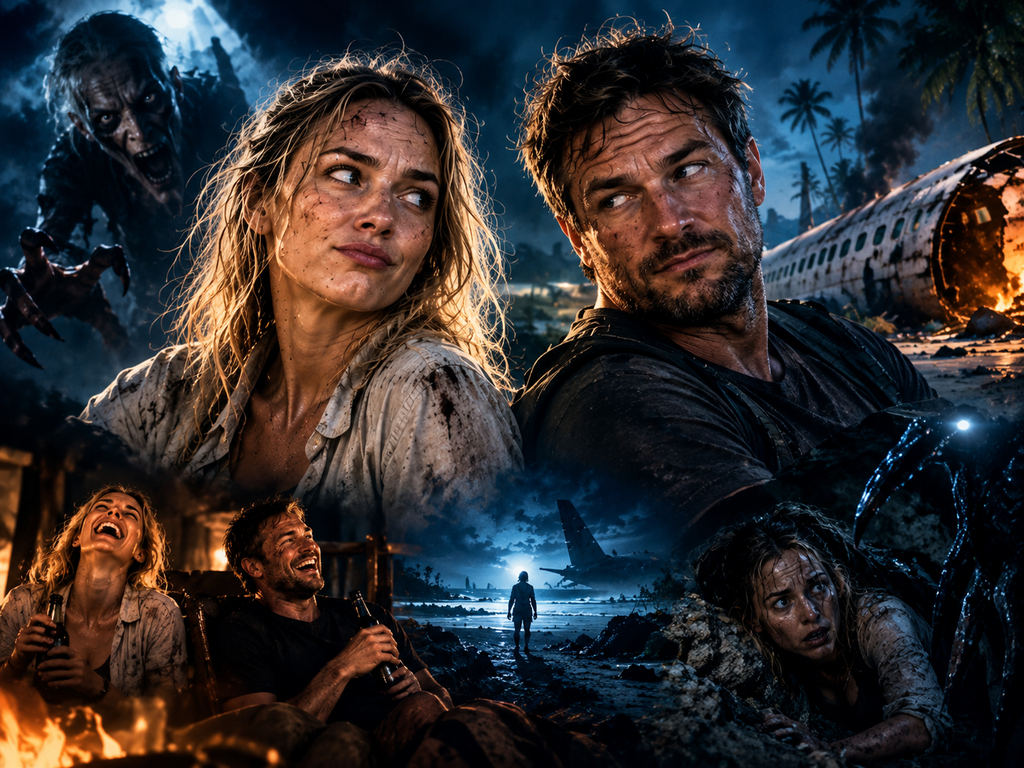
Themes of Workplace Power and Survival
Send Help uses survival to explore power.
Bradley begins the story with professional authority. Linda is the employee who has to work under him. After the crash, those roles change because Linda has practical survival skills that Bradley needs.
That change gives the movie a clear theme about the difference between having a title and having useful abilities.
Linda’s development is also important. Away from the office, she becomes more confident in herself. The island gives her a situation where her skills cannot be ignored.
The movie also touches on workplace sexism and the culture of entitled behavior. Linda’s treatment at work helps explain why the change in power between the characters feels so important.
What IMDb Viewers Are Saying
The IMDb reactions are mixed, but several patterns appear across the reviews.
Rachel McAdams is frequently praised. Viewers describe her performance as one of the movie’s strongest features, and some reviewers consider it the main reason the film works.
Dylan O’Brien also receives positive comments for taking on an unpleasant and morally difficult character. His performance gives Bradley more depth than simple arrogance.
Sam Raimi’s direction is another common positive point. Viewers who enjoyed the movie often mention the dark humor, visual style, suspense, and unusual genre combination.
The criticism is mainly focused on pacing, CGI, some unrealistic character decisions, and the balance between comedy and horror.
The IMDb information provided lists the movie at 6.7/10 from about 155,000 ratings. Audience ratings can change over time, so this should be viewed as a snapshot rather than a permanent score.

Send Help Review: Final Thoughts
After watching Send Help, I found it exciting, entertaining, suspenseful, and often funny. The survival scenes created real tension for me, while the dark comedy between Linda and Bradley gave the movie a different personality.
Rachel McAdams was my favorite part of the cast, and I would give her performance a 9/10. Dylan O’Brien also impressed me with an 8.5/10 for his portrayal of Bradley.
What stayed with me most was not simply the plane crash or the island. It was the changing relationship between Linda and Bradley. Seeing Linda become more confident while Bradley loses the advantages he had in the workplace gives the survival story a strong character focus.
Send Help will not work equally well for every viewer. The mixed reactions to the CGI, pacing, humor, and genre combination are fair points to consider. But if you enjoy survival stories with dark comedy, suspense, strong character conflict, and Sam Raimi’s distinctive visual style, the movie offers plenty to talk about.
For me, the biggest reason to watch it is the unusual combination of survival and workplace conflict. The island creates the danger, but Linda and Bradley create the story.

Verity (2026) Review: A Twisty Thriller I Rated 9/10

Resident Evil (2026) Review: A Fast Survival Horror Experience

Send Help (2026) Review: Story, Horror & Survival

War Machine (2026) Review: An Exciting Military Sci-Fi Action Movie

Pressure 2026 movie Review: A WWII Story Built Around D-Day and the Weather
Pressure 2026 movie Review: A WWII Story Built Around D-Day and the Weather
War Machine (2026) Review: An Exciting Military Sci-Fi Action Movie
Resident Evil (2026) Review: A Fast Survival Horror Experience

The Social Reckoning: 8/10 Amazing Social Media Thriller
Send Help (2026) Review: Story, Horror & Survival
-
 Action Movies4 days ago
Pressure 2026 movie Review: A WWII Story Built Around D-Day and the Weather
-
 Action Movies3 days ago
War Machine (2026) Review: An Exciting Military Sci-Fi Action Movie
-
 Action Movies1 day ago
Resident Evil (2026) Review: A Fast Survival Horror Experience
-
 Action Movies2 days ago
Send Help (2026) Review: Story, Horror & Survival
-
 Horror Movies2 hours ago
Verity (2026) Review: A Twisty Thriller I Rated 9/10